
A Senator Says Foreigners Should Be Able to Hold 100%, and There Is No Bill, No Vote and No Government Position Behind It
Senator Prathum Wongsawat told the Senate on 1 September 2026 that the 49% cap is what creates nominee arrangements. It is one member's opinion on the floor, not reform in motion.
One Member's Argument, Recorded in the Chamber and Carried No Further #
Key takeaways
- What was said: ownership should track capital. If Thai investors put in 30%, they hold 30%; if foreign investors put in 70%, they hold 70%, which she argued removes the reason a nominee exists at all.1
- What it is not: not a bill, not a committee resolution, not a vote, not a government commitment. One senator speaking to a report during a sitting.12
- Not a new position either: she made materially the same argument in the Senate on 11 May 2026, including the comparison with holding 100% as a foreign investor in Russia.3
- Better-than-Freehold™ takeaway: a structure with no foreign shareholder does not depend on the 49% cap moving. Nothing in this story changes what is available today, and nothing in it should be waited on.
What Did the Senator Actually Say on 1 September? #
- What Was Actually Proposed
- What This Story Is Not
- Why the Argument Lands Where It Does
- What It Means If You Are Holding Through a Company Today
- The Better-than-Freehold™ Solution
- FAQ Section
- Related Terms
- Expert Guidance
What Was Actually Proposed #
Ownership in proportion to capital, instead of a flat ceiling. The senator's position, as reported in the Thai-language account of the sitting, is that a shareholding split should reflect who actually funded the business, so that a foreign investor putting up 70% holds 70%, and one funding the whole of it may hold the whole of it.1
Her reasoning ran from the cap to the conduct it produces. Where the law will not let capital hold what it paid for, the capital does not leave; it finds a Thai name to sit in front of it. On her account the arrangement is created by the rule, and the state is then left asking who the beneficial owner is. She put it, in Thai, as the law making things grey from the outset, and everyone afterwards sitting around asking who the real owner is.1
She separated that from hostility to foreign money, saying Thailand must not be against foreigners or against investment, and that foreign investment is a good thing.1 The English write-up puts the aim as converting grey capital into white capital at the point of entry, alongside investment thresholds qualifying foreign investors for residency or citizenship.2
What This Story Is Not #
This is the part that travels worst. A floor argument is not a change in the law, and it is not evidence that one is coming. On the available reporting: no bill, no named legislative vehicle, no vote on the proposal, no committee resolution adopting it, and no government or ministry response.12
It is also not new. On 11 May 2026 the same senator made materially the same case in the Senate, drawing the same comparison with being able to hold 100% as a foreign investor in Russia, and raising foreign money in Phuket pool villa projects and longer leases of 50 to 70 years for designated economic areas.3 A position restated in September that was already on the record in May is a consistent view, not a development.
The English coverage carries no direct quotation of her at all; it reports her position in paraphrase.2 The quoted words in this article come from the Thai-language account of the same sitting.1
Why the Argument Lands Where It Does #
Because it describes the mechanism correctly, whatever happens to it politically. Nominee enforcement keeps producing the same case notes because foreign capital keeps arriving into a rule that will not let it hold what it funded. A senator naming that in the chamber is worth noting on its own terms.
The Senate has returned to the subject repeatedly this year. Separately, on 21 April 2026 the chamber acknowledged a Foreign Affairs Committee study on preventing foreign proxy infiltration and agreed to forward it to the Cabinet, recommending among other things that a "foreigner" be defined by actual control rather than shareholding percentage alone.4 That is a different report from the one before the chamber on 1 September, and neither has changed the law.
The practical content is the same either way: the 49% cap is still the 49% cap, and the Foreign Business Act's nominee offence reads exactly as it did last week.
What It Means If You Are Holding Through a Company Today #
Nothing about your position has changed, and no part of this is a reason to wait. Enforcement against high-risk property-owning companies is running now, on the law as it stands, while the reform being discussed is one member's opinion.
The Foreign Business Act nominee offence, Section 36, reaches the Thai nominee and the foreign beneficiary alike: up to three years and/or THB 100,000 to 1,000,000, with courts able to order the shareholding to cease, and the Land Department able to force disposal separately. Directors carry exposure under AMLA section 60, one to ten years or THB 20,000 to 200,000, or both.
Divestment runs eight to sixteen weeks, shortening to under four as Better-than-Freehold™ grows. A proposal with no bill behind it is not a timeline anyone can plan around, and the enforcement pattern does not pause while the argument is had.
The Better-than-Freehold™ Solution #
The senator's argument and this structure start from the same observation: the problem is the foreign shareholder the rule forces you to hide. The difference is that one is a proposal and the other is available now.
Compliance comes first. Thailand Investor Network, a 100% Thai-owned property holding and management company, holds legal title directly; no foreign shareholder appears for the screening band to catch, and no nominee is required, because nothing is being disguised.
Security follows. SPH Trustees Ltd, an offshore trustee whose Labuan FSA licence is in progress, holds the lease and option rights through four security instruments (the lease and mortgage registered at the Land Office, the Option Agreement appended to the mortgage, and a share pledge), enforced by Clear Blue Security Agents (CBSA), with mortgage enforcement through the Thai courts as a last resort.
The benefits complete the picture: financing to 50% LTV as a future workstream (expected H1 2027, not yet live), resale by assignment of trust interest, and succession without Thai probate.
Free to start · No obligation · Your decision at every stage
FAQ Section #
Related Terms #
- Nominee Company Risks in Thailand - the enforcement running now, under the rule the senator is arguing about
- Foreign Business Act Thailand - the statute containing both the 49% threshold and the nominee offence.
- Thailand Property Market Analysis - how enforcement is reshaping the provinces where foreign buyers concentrate
- Anti-Money Laundering Act Thailand - the duties that sit on directors of a company holding property.
Expert Guidance #
Immediate Action Required #
Read this as commentary, not as a countdown. If your holding sits inside a company with foreign shareholding, your exposure today is set by the law as it stands, not by what a senator would prefer it to be. Contact the Better-than-Freehold™ advisory team for a confidential compliance assessment.
Long-term Security Strategy #
The argument may well be right that the cap creates the problem. That is a reason to stop depending on the cap, not a reason to wait for it to move.
Free to start · No obligation · Your decision at every stage
Conclusion #
A Thai legislator saying in the chamber that the shareholding rule is what manufactures nominees is notable to have on the record, and it is worth exactly that much: a view on the record. No bill, no vote, no government answer, and the same senator saying the same thing in May. Anyone whose plans depend on the 49% cap changing has just been shown how far that argument travelled in four months.
References #
This article is provided for general information only and does not constitute legal, tax, or investment advice. Laws and enforcement practices change; obtain advice tailored to your situation before acting.
Footnotes #
-
The Thaiger (Thai edition). (2026, September 2). "สว. นามสกุล 'วงศ์สวัสดิ์' เสนอให้ต่างชาติสามารถถือหุ้นได้ 100% แก้ปัญหานอมินี." https://thethaiger.com/th/news/1604713/ ↩ ↩2 ↩3 ↩4 ↩5 ↩6 ↩7 ↩8
-
Siradakul, C. (2026, September 2). "Thai senator proposes 100% foreign ownership as nominee fix." The Thaiger. https://thethaiger.com/news/business/thai-senator-100-percent-foreign-ownership-nominee-fix ↩ ↩2 ↩3 ↩4 ↩5
-
Khaosod. (2026, May 11). "สว.เดือด! ถกปัญหานอมินีต่างชาติยึดไทย 'ประทุม' ซัดทุนเทาเหิมเกริม จี้รัฐเร่งจัดการ." https://today.line.me/th/v3/article/oqYyjky ↩ ↩2
-
TP Channel. (2026, April 21). "วุฒิสภารับทราบรายงานสกัดนอมินีต่างชาติ เสนอปฏิรูป." https://tpchannel.org/news/33598 ↩
About the Author: Andrew Moore FPFS, CDir
Chairman, Better-than-Freehold™
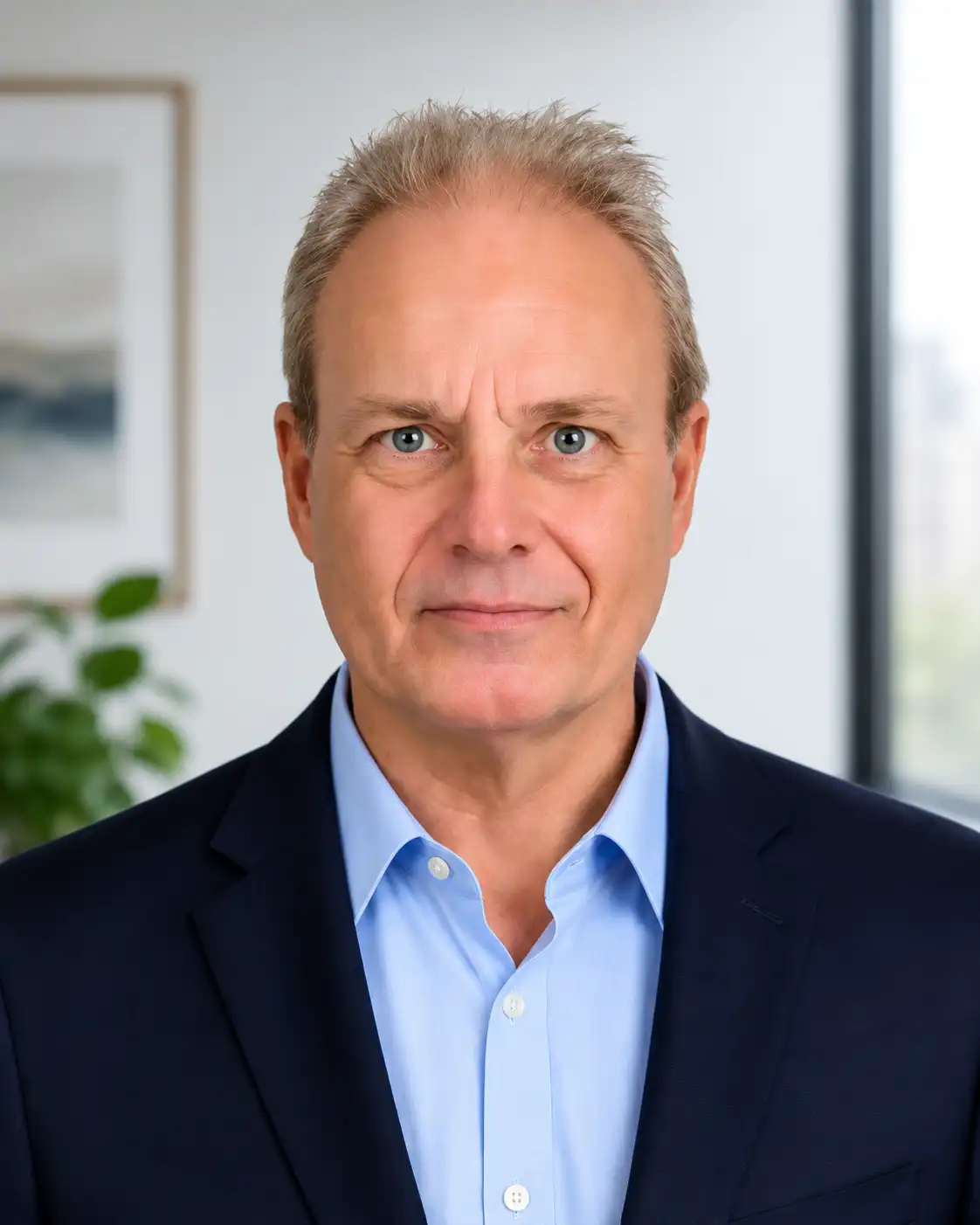
Andrew Moore has been an active investor in Thai property since 2004. He is a Chartered Director and a Fellow of the Personal Finance Society. He has invested in and built properties in several countries since the late 1990s and first invested in Thailand in 2004. Having owned homes in Bangkok, Samui, Phangan and Phuket he can offer a unique perspective on Thailand's property markets together with past and future trends in both ownership and investor opportunities.